Not monitored for emergencies.
Immediate danger: 911Crisis: call 988text 988

Behavioral health. Human possibility.

Care that builds
capacity.
A path forward.

For adults, young people, and families, the next step should be more than another appointment. It should help make life more manageable, connected, and your own.

Explore our approach, then ask about current services and the right next step.

Cincinnati, OhioAdults · Youth · Families
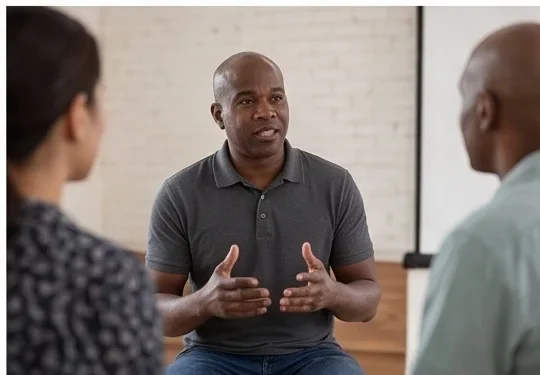
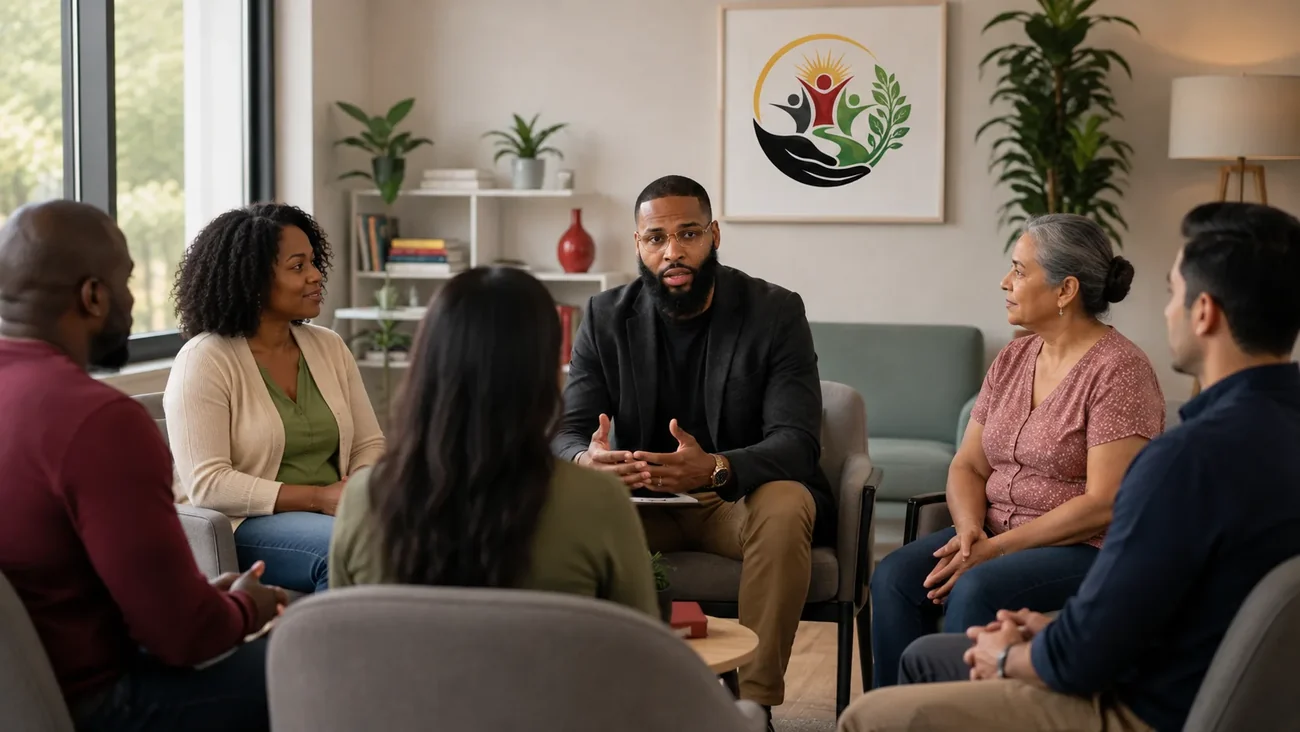
Illustrative scene of a facilitator and adults in a welcoming group conversation.
People first. Possibility ahead.
The Reach One promise
We will meet people where they are without assuming they must remain there.

Illustrative program imagery; not a representation of a current client encounter.

01

A person.Not just a diagnosis.

02

A practical goal.Not a one-size-fits-all plan.

03

A way forward.Not another dead end.

A clear place to begin

What brings you here?

You do not have to understand the whole system.
Start with the part that matters to you.

Your starting point

Start with what is happening in your life.

You do not have to choose a diagnosis or level of care before asking a question. An initial conversation can clarify what you are looking for, what is currently available, and whether assessment or another resource is the appropriate next step.

Explore adult care

Service fit, availability, and any insurance requirements are confirmed before a start date.

Your starting point

A young person is more than a difficult day.

Reach One’s youth direction connects behavioral-health care with the places young people live and learn. The program design includes ages 5–12 and 13–17, with developmentally appropriate work and caregiver involvement. Ask which services and cohorts are currently available.

Explore youth & family care

Sports and mentoring can support development, but they are not substitutes for clinical assessment or treatment.

Your starting point

Find people, places, and a reason to keep showing up.

The wider campus brings together peer connection, community education, youth development, and practical opportunities. Community participation and regulated peer services are distinct pathways; the responsible organization, eligibility, and available support should be clear in each.

Explore the community pathways

You do not have to follow one fixed sequence through every part of the campus.

Your starting point

Work can be a next step—not a distant reward.

Workforce & Enterprise is designed around choice: looking for a job now, building a particular skill, strengthening job retention, or exploring a business idea. Work-based learning and enterprise projects are optional pathways, not prerequisites for every person.

Explore Workforce & Enterprise

Employment, paid work, and enterprise opportunities depend on actual openings and operating readiness.

Your starting point

Build professional capacity. Make a thoughtful connection.

Students and professionals can explore the Training & Development Institute and its Clinical Formation Academy. Referral partners can ask about current service fit and how to make a secure handoff. Public learning resources are separate from private staff training.

Explore training & development

Course completion does not independently confer a license, state certification, placement, or CE credit.

This is a navigation guide, not a screening or assessment. Your selection is not stored or transmitted by this page.

The clinical front door

Support for real life.
Care shaped around the person.

Explore the direction of Reach One’s clinical programs. Before services begin, the right pathway, current availability, and any coverage requirements need to be confirmed.

Illustrative scene of adults in a facilitated group conversation.

Stability, skills & recovery

Adult behavioral health

Explore a care model built around the person—not a preset schedule. The adult continuum includes outpatient counseling, intensive outpatient treatment design, and coordination with appropriate supports.

  • Individualized assessment and planning
  • Outpatient care and IOP pathways
  • Thoughtful step-down and transitions

Service intensity is determined individually. A designed service is not necessarily open for enrollment.

Ask about adult services
Illustrative scene of an adult and child using learning materials together.

Home, school & everyday life

Youth & family behavioral health

The youth program design focuses on emotional regulation, confidence, boundaries, and relationships, with distinct approaches for children and teenagers and meaningful caregiver involvement.

  • Developmental cohorts: 5–12 and 13–17
  • Youth outpatient and family pathways
  • After-school behavioral-health design

Ask which cohorts and services are available. Community sports remain separate from treatment.

Ask about youth services
Illustrative scene of people having a small-group conversation.

Connection with clear roles

Peer support & care coordination

Peer support brings lived experience and recovery connection. Case management and coordination address practical barriers and follow-through. Each role contributes something different.

  • Recovery goals and self-advocacy
  • Connections to practical resources
  • Follow-through on the next step

Peer support is not psychotherapy. Regulated services keep their own provider, supervision, and records.

Ask about support options

Images are illustrative. No particular program, provider, appointment, or payer participation is represented as currently available by imagery alone.

What guides us

The goal is a life.
Not just an appointment.

To help people build the capacity to live, recover, contribute, and move forward.

Stability matters. So do the skills, relationships, and opportunities that help a person move forward outside the treatment room.

Read our mission

Reach One Clinical Services strengthens individuals, families, and communities through accessible, person-centered behavioral health care that develops the skills, stability, relationships, and opportunities necessary for recovery, healthy functioning, and sustained participation in community life.

01

See the whole person.

A diagnosis may inform care. It does not contain a person’s story, strengths, relationships, or future.

02

Make the work useful.

Goals should connect to everyday functioning: navigating emotions, communicating needs, maintaining routines, and participating in life.

03

Follow the next step through.

Our standard is not simply to hand someone a referral. It is to help clarify acceptance, scheduling, access, and follow-through.

Our valuesDignityCapacityAccountabilityIntegrityConnectionOpportunityExcellence

A direction, not a deadline

Progress has more than one shape.

People may enter at different points, revisit a stage, or use only the support that fits. This is not a mandatory sequence.

  1. 01

    Engage

    A relationship and a place to begin.

  2. 02

    Stabilize

    Work toward safety and steadier routines.

  3. 03

    Build

    Develop skills, confidence, and boundaries.

  4. 04

    Practice

    Use new capacities in everyday life.

  5. 05

    Contribute

    Participate in ways that matter to you.

  6. 06

    Transition

    Carry progress forward with the right supports.

Beyond the appointment

Many pathways.
A clearer next step.

Treatment, community, work, and learning play different roles. Our digital campus helps you understand those roles without pretending they are all the same service.

Partner services

One Pulse United

Explore the separately operated One Pulse United site. Confirm services, access, and provider responsibility with that organization.

Community & recovery

The Peer Club

Explore peer connection, recovery education, and community participation. Peer support and clinical treatment have different roles.

Workforce & enterprise

Shine & Revive

Explore the Shine & Revive footwear and enterprise site. Confirm current services and opportunities directly.

Youth, sports & community

Cincy Grind Time

A separate community youth experience built around sports, mentoring, family engagement, and opportunities to belong.

Work, skills & participation

Workforce & Enterprise

Practical employment pathways, employer connections, and optional enterprise experiences—including the planned SHINE & REVIVE initiative.

Professional formation

Training & Development Institute

A home for professional development, internship and practicum pathways, supervision, and the Clinical Formation Academy.

Ideas made useful

Reach One Learning Center

Golden Thread Comics, videos, and practical learning content for families, communities, peers, and professionals.

Connected does not mean identical. Each organization, program, and company keeps its own responsibilities. Community participation is not automatically clinical care; a shared digital campus does not transfer credentials or authority.

One Pulse United

Explore the separately operated One Pulse United site. Confirm services, access, and provider responsibility with that organization.

Confirm with program. A site link does not establish enrollment, payer participation, or clinical authority.

Visit One Pulse United

You are continuing to a separate application. Its privacy and access terms apply.

The Peer Club

Explore peer connection, recovery education, and community participation. Peer support and clinical treatment have different roles.

Confirm with program. A site link does not establish enrollment, payer participation, or clinical authority.

Visit The Peer Club

You are continuing to a separate application. Its privacy and access terms apply.

Prevention & Community Education

Explore prevention, community education, and earlier connection to support.

Confirm with program. A site link does not establish enrollment, payer participation, or clinical authority.

Visit Prevention & Community Education

You are continuing to a separate application. Its privacy and access terms apply.

Shine & Revive

Explore the Shine & Revive footwear and enterprise site. Confirm current services and opportunities directly.

Confirm with program. A site link does not establish enrollment, payer participation, or clinical authority.

Visit Shine & Revive

You are continuing to a separate application. Its privacy and access terms apply.

Cincy Grind Time

Cincy Grind Time is its own community and youth-development identity. Reach One Youth & Family Behavioral Health remains the clinical pathway. A relationship between the two does not turn basketball, mentoring, meals, or community participation into treatment.

Independent community identity. Clinical services stay with the responsible provider.

Ask about this pathway
Workforce & Enterprise

The workforce design offers choice rather than a mandatory readiness staircase: direct job search, targeted skill development, work-based learning where available, retention, and advancement. SHINE & REVIVE is a planned enterprise within this pathway; customer services, paid roles, and participation are not represented here as active.

No job, wage, placement, funding, or customer-service availability is guaranteed.

Ask about this pathway
Training & Development Institute

The Institute’s learning model is Learn → See → Practice → Prove → Apply. The Institute teaches; authorized provider organizations hold responsibility for live clinical practice. Placement, supervision, qualifying education, CE, and external credential claims require their own current approvals.

Internal training does not independently grant professional authority or a state credential.

Ask about this pathway
Reach One Learning Center

The public Learning Center is an education and media hub. Its primary collections are Golden Thread Comics, Videos, and Training Content. Public resources are distinct from private staff lessons, organizational policies, individualized care, and board-approved coursework.

Educational resources—not an assessment, treatment, or personal clinical advice.

Ask about this pathway
Illustrative scene of a team discussing materials around a table.

Learn. See. Practice. Prove. Apply.

Knowledge should become
something you can use.

Public learning can make ideas accessible. Professional training can deepen practice. Staff education can build organizational competence. Each belongs in the right setting, with clear expectations.

Explore the Learning Center

A little clarity helps

Questions before
the first step.

Clear information is part of a respectful experience. Here is what this page can—and cannot—tell you.

Still have a question?
Where should I start if I am not sure what I need?

Start with a general question about the kind of help you are looking for. You do not have to select a diagnosis or program before making contact. The next step depends on current availability, individual needs, safety, and an appropriate assessment or referral.

Are all the programs on this page accepting participants?

No. This page introduces the Reach One approach and the wider campus. Program descriptions are not confirmation of current enrollment, staffing, insurance participation, or an available appointment. Ask Reach One or the responsible program directly before making plans.

Is Cincy Grind Time the same as Reach One Youth Services?

No. Reach One Youth & Family Behavioral Health is the clinical pathway. Cincy Grind Time is a separate community youth-development and sports identity. Participation in sports, mentoring, or community activities does not by itself constitute behavioral-health treatment.

Does peer support replace counseling or case management?

No. Peer support contributes lived-experience perspective, recovery connection, and self-advocacy within its role. Counseling, case management, medical care, and crisis response have distinct responsibilities. The right mix of support depends on the person and the available services.

How do insurance, cost, and virtual care work?

Confirm the particular service, provider, location or modality, plan participation, authorization requirements, and any expected cost before beginning. This page does not guarantee coverage, no-cost care, payer acceptance, or virtual availability.

Can I send records or personal health details through this page?

No. There is no intake form, document upload, or clinical messaging service here. Do not send diagnoses, medication lists, insurance identifiers, treatment records, custody documents, or detailed safety information through ordinary email. Ask for the approved secure process.

Where do staff and learners sign in?

Use the protected system approved by Reach One and the account provided through your onboarding. This public landing page does not create accounts, accept passwords, or store training records.

Ask your Reach One administrator for the current approved sign-in address.

Connect with Reach One

A clear next step.
No need to have every answer.

Ask a general question about services, family support, professional training, or a community pathway. Confirm availability and the appropriate contact before sharing personal records.

Call Reach One(513) 518-5596

General questions and next-step guidance. This is not an emergency or crisis line.

Visit Reach One Home

Do not send medical records, diagnoses, treatment histories, insurance identifiers, or detailed safety information through ordinary email.